Tax Refunds Rise But Gas Prices Challenge Consumers
Tax Refunds are projected to increase for Americans this year, with an average federal tax refund of $3,742 marking a 10.6% rise from last year.
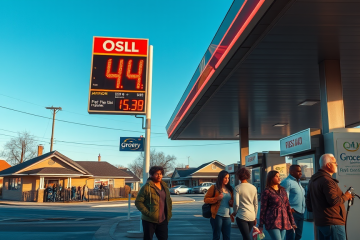
However, the benefits of these refunds may be overshadowed by rising gas prices, which have surged to an average of $3.64 per gallon amid ongoing geopolitical conflicts.
In this article, we will delve into the implications of these tax changes, the economic strain caused by higher energy costs, and the particular challenges faced by lower-income households as they navigate this complicated financial landscape.
Bigger Federal Tax Refunds Expected in 2026
The average federal tax refund in 2026 is projected to increase to $3,742, marking a 10.6% rise from 2025. This boost in refunds stems from recent amendments to the tax code aimed at providing economic relief and stimulating consumer spending.
According to the most recent IRS data, these changes include adjustments to tax brackets and standard deductions which directly affect a significant portion of filers.
As these adjustments take effect, taxpayers will find themselves eligible for larger returns when filing.
Moreover, such enhanced refunds are expected to support household budgets amidst rising expenses due to global factors such as increased gas prices; however, the impact may be tempered by other economic pressures, such as inflation expectations due to geopolitical tensions in Iran, possibly leading to higher interest rates across the banking sector.
Economic Headwinds from Elevated Gas Prices
Higher fuel costs, driven by the ongoing conflict in Iran, pose significant economic challenges for American households.
As gas prices rise, families are likely to feel the pinch on their budgets, overshadowing the positive effects of larger tax refunds this year.
Increased spending on fuel may force consumers to cut back on discretionary spending, ultimately impacting overall economic health.
Financial Strain on Lower-Income Households
Rising fuel costs have a significant impact on families’ financial well-being, which is especially true for lower-income households in the United States.
These families face increased budget pressure when their already limited income must stretch to cover basic needs.
With mounting monthly fuel bills, a disproportionate portion of their budget gets allocated to transportation, as highlighted by the American Council for an Energy-Efficient Economy report.
This leaves less for essentials like food and housing, intensifying their economic challenges and causing further financial strain.
Thus, as energy burdens grow, lower-income households find themselves trapped in an escalating cycle of economic hardship.
Inflation and Interest Rate Pressures
The Iran conflict significantly influences inflation expectations, causing pressures on monetary policy.
Geopolitical tensions, such as the ongoing war, disrupt global supply chains, leading to increased costs for essential goods.
As a result, many central banks, including those observed by Financial Post, face rising inflation rates, necessitating consideration of interest rate adjustments.
This turmoil leads households and businesses to anticipate higher prices, thereby impacting overall economic stability through tighter monetary policy.
| Stage | Inflation | Interest Rates |
|---|---|---|
| Pre-war | 2.1% | 3.5% |
| Current | 4.0% | 4.5% |
| Projected | 5.0% | 5.5% |
These economic adjustments solidify the expectation that prices will continue to rise.
Reduced Spending Boost from Tax Refunds
The rising fuel costs, particularly the average gas price now hovering around $3.64 per gallon, have become a significant concern for American households.
This surge, driven by the ongoing conflict in Iran, places a heavier financial burden on consumers, especially those from lower-income backgrounds who spend a larger portion of their income on fuel.
As these energy expenses climb, consumers may feel compelled to cut back on discretionary spending, creating a ripple effect throughout the economy.
Simultaneously, inflation expectations are edging higher, which can prompt a rise in interest rates.
Such an environment undermines the traditional stimulus effect of tax refunds.
Although Americans are expected to see an average refund of $3,742, a increase from previous years, the combination of these pressing economic pressures diminishes its potential to stimulate spending.
Consequently, the larger tax refunds might still lead to reduced consumer spending as individuals prioritize savings or paying down debt amid uncertain economic conditions.
Tax Refunds bring potential relief for consumers, but rising gas prices and economic pressures may diminish their impact on spending.
Understanding these dynamics is essential for evaluating the overall health of the economy and the well-being of American families.


0 comentários